
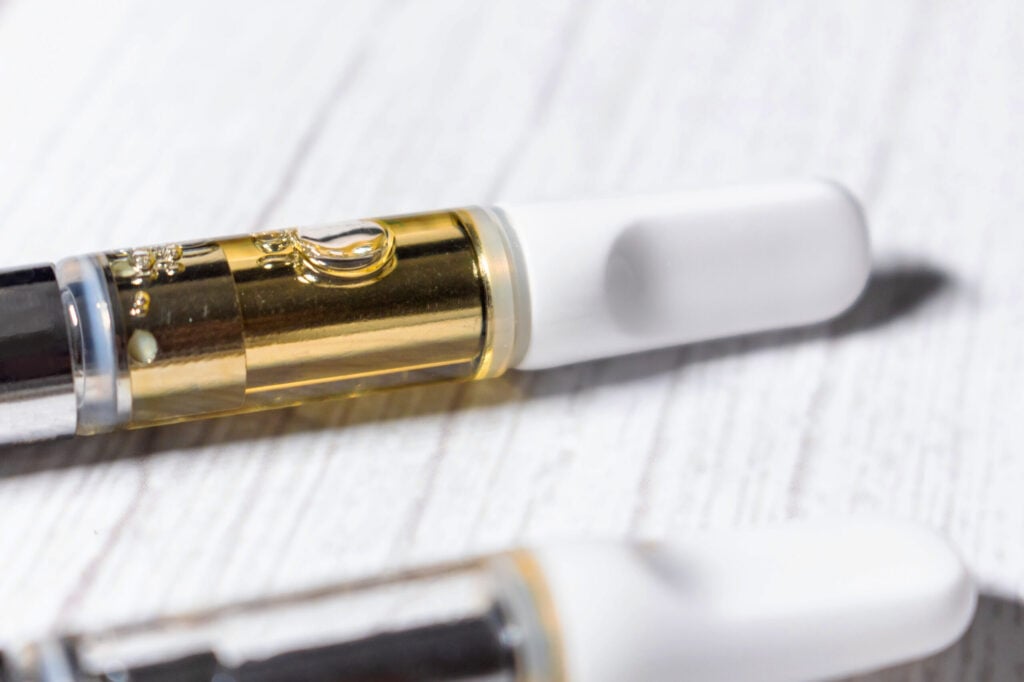
Rosin vape vs distillate cart decisions get real confusing the moment you see a half-gram live rosin option priced higher than a full-gram distillate cart sitting right beside it. You’re not just paying for a THC number. You’re paying for how the oil was made, what got kept in the process (or filtered out), and how close the hit feels to actual flower.
We’re Aura Cannabis Co., and we keep our menu curated and turning over at both locations: Aura Cannabis Co. in Central Falls, Rhode Island, a licensed compassion center serving medical patients and adult-use shoppers, and Aura Cannabis Co. in Fall River, Massachusetts, an adult-use dispensary with on-site cultivation where we grow our own flower and pre-rolls. Let’s break down what’s really different about distillate, live resin, and live rosin so you can pick the right THC vape pen for your vibe and your budget.
Rosin vape vs distillate cart: what “oil” actually means
On a menu, it’s easy to lump everything into “vape oil” and call it a day. In real life, that word covers a wide range of textures, flavors, and manufacturing styles. Some oils are built for consistency and high THC. Others are built to keep more of the plant’s original character, including terpenes (the aromatic compounds that shape flavor and aroma) and a broader mix of cannabinoids beyond just THC.
Think of it like this. Distillate is the most refined and predictable lane. Live resin aims to capture fresh-flower flavor but uses solvents that are removed before it hits the shelf. Live rosin is solventless and usually the closest match to the strain’s natural profile, but it’s harder to make and you get less finished oil from the same amount of starting material.
Distillate carts: the “daily driver” option
Distillate is made by taking cannabis extract and refining it until cannabinoids like THC are isolated and concentrated through distillation. That efficiency is a big reason distillate carts tend to be widely available and more approachable on the wallet.
The catch is flavor and nuance. A lot of the original terpenes and minor cannabinoids don’t survive heavy refinement, so many brands add terpenes back in after the fact. Sometimes those are cannabis-derived, sometimes they’re botanical (non-cannabis) terpenes. Neither is automatically “bad,” but it explains why two distillate carts with similar THC can taste totally different, and why the experience can feel more one-note compared to full-spectrum styles.
Rosin vape vs distillate cart: where live resin fits
Live resin is the middle lane that a lot of regular vape shoppers end up loving. It starts with fresh cannabis that’s flash-frozen after harvest, which helps lock in terpenes that can fade during drying and curing. From there, the frozen material is extracted using hydrocarbon solvents (commonly butane or propane), and those solvents are purged out before the product is finished.
What you usually notice is strain flavor that comes through more clearly than distillate. If you like a vape that feels closer to flower without stepping all the way into the premium tier, live resin is often the sweet spot. If you want a straightforward refresher on the three categories, Silver Stem’s guide to live resin, rosin, and distillate vapes lays it out in plain language.
Live rosin vape: solventless, terpene-forward, small-batch energy
A rosin vape made with live rosin is premium for a reason, and it’s not just hype. Live rosin also starts with fresh-frozen cannabis, but it skips chemical solvents entirely. The material is washed with ice water to separate trichomes into hash, then that hash is pressed with heat and pressure to create rosin.
When it’s done well, live rosin tends to taste more like the strain it came from, with a softer, more strain-forward feel that many people describe as “closer to flower.” That “rosin is its own category” idea is reflected in consumer marketplaces too, like Weedmaps’ live rosin vape selection overview, where rosin is treated as a distinct top-shelf segment.
Why rosin vape hardware (and price) often looks different
Rosin behaves differently in a cart. It can be thicker, and it can be more sensitive to heat than many distillate formulas. That’s why you’ll often see live rosin offered in purpose-built disposables or pod systems instead of a standard 510-thread cartridge. It’s less about being fancy and more about protecting flavor and avoiding clogs or burnt hits.
Price comes down to yield and labor. You need a lot of quality starting material to get a smaller amount of finished live rosin, and the steps are hands-on from washing to pressing. If you want more context on how “fresh frozen” extraction affects flavor and cost, Vessel’s explainer on what a live resin vape is helps connect the dots between resin, rosin, and why hardware matters.
Rosin vape vs distillate cart: why THC percentage doesn’t tell the whole story
It’s common to see distillate test higher in THC percentage than live rosin. That doesn’t automatically mean it will feel “better” for you. THC is a big part of the experience, but it’s not the only part. Terpenes and minor cannabinoids can shift the character of the high, including how balanced it feels and how much it reminds you of flower.
This is where people bring up the entourage effect, the idea that cannabinoids and terpenes may work together in a way that feels different from isolated THC alone. Starbird’s overview of resin vs rosin vs distillate vapes does a good job explaining why “full-spectrum” often lands differently than “pure THC.”
Quick comparison table: what you’re paying for
| Type | Starting material | How it’s made | What you’ll usually notice | Typical price lane |
|---|---|---|---|---|
| Distillate cart | Cured cannabis | Refined through distillation | Very consistent, often higher THC, flavor often added back in | Value |
| Live resin cart | Fresh-frozen cannabis | Hydrocarbon extraction (solvents purged) | More strain flavor, more “plant-like” feel than distillate | Mid-range |
| Live rosin vape | Fresh-frozen cannabis | Solventless ice-water hash + heat/pressure press | Terpene-forward, closer-to-flower profile, hardware is often specialized | Premium |
How to choose the right THC vape pen without overthinking it
If you’re standing at the counter and the options start to blur together, pick your priority first. Price, flavor, or the closest thing to flower in your pocket. Once you decide what matters most, the category usually chooses itself.
- Go distillate when you want a simple, predictable high-THC oil and you’re mostly shopping for value per gram.
- Go live resin when strain flavor matters to you and you want something more nuanced than distillate without the highest price tier.
- Go live rosin when you’re chasing solventless production and the most strain-forward experience you can get in vape form.
If you’re the type who reads terpene percentages (or you want to become that person), our post on understanding cannabis terpenes and what they mean for your experience will make labels feel a lot less random.
Two quick in-store label checks we always do
You don’t need to be an expert to shop smart, but you do want to read the label like it’s giving you clues. Because it is.
- Look for the extraction type: distillate, live resin, or live rosin. That one line explains a lot about flavor and price.
- Check the terpene info if it’s listed: some products show a terpene percentage on the COA (Certificate of Analysis). More isn’t always “better,” but it can hint at how flavorful the cart might be.
- Note the hardware: ceramic, pod systems, disposable vs 510-thread. With rosin especially, the device can make or break the experience.
If you’re getting back into cannabis after a break, vapes can feel fast compared to flower. Our guide to reading cannabis labels and choosing products walks you through the key terms without turning it into homework.
FAQ: Rosin vape vs distillate cart
Is a rosin vape better than distillate?
It depends on what you want. If “better” means terpene-rich and closer to flower, live rosin usually wins. If “better” means the most THC for the lowest cost, distillate usually makes more sense.
Is live resin solventless?
No. Live resin is made with hydrocarbon solvents that are purged from the finished oil. Live rosin is the solventless option.
Why is live rosin often in a disposable or pod instead of a 510 cart?
Rosin can be thicker and more heat-sensitive. Brands often use hardware designed for rosin so flavor stays intact and the oil doesn’t clog or burn as easily.
Should you shop vapes by THC percentage?
THC matters, but it’s not the whole story. Terpenes and minor cannabinoids can shape how the experience feels, especially when you compare distillate to live resin or live rosin.
Where can you browse Aura’s vape selection?
You can explore cartridges, disposables, pods, and live rosin options in our Vaporizers category, then place an online order for in-store pickup at the location you’re shopping.
Conclusion: pay for the experience you actually want
In the rosin vape vs distillate cart debate, the price gap is mostly about process and personality. Distillate is consistent and value-driven. Live resin leans into strain flavor. Live rosin is solventless craftsmanship with a flower-like profile. Tell us what you’re aiming for, and we’ll help you choose without getting lost in the numbers.
Stop in and talk it through with a budtender, or reach out through our contact Aura Cannabis Co. page before you visit.


